As sushi becomes increasingly popular across Europe, many kitchens are facing similar challenges: rising labor costs, growing demand, and the need for consistent quality. Sushi machines offer a solution, but deciding whether to invest in automation can be a significant step.
This guide helps you understand when automation becomes a practical step for your restaurant — focusing on clear, everyday challenges and how a sushi machine can support smoother operations.
To see full ROI calculations and detailed comparisons between different machines, visit our Sushi Robots ROI Calculator.
Why Restaurants Are Investing in Sushi Machines
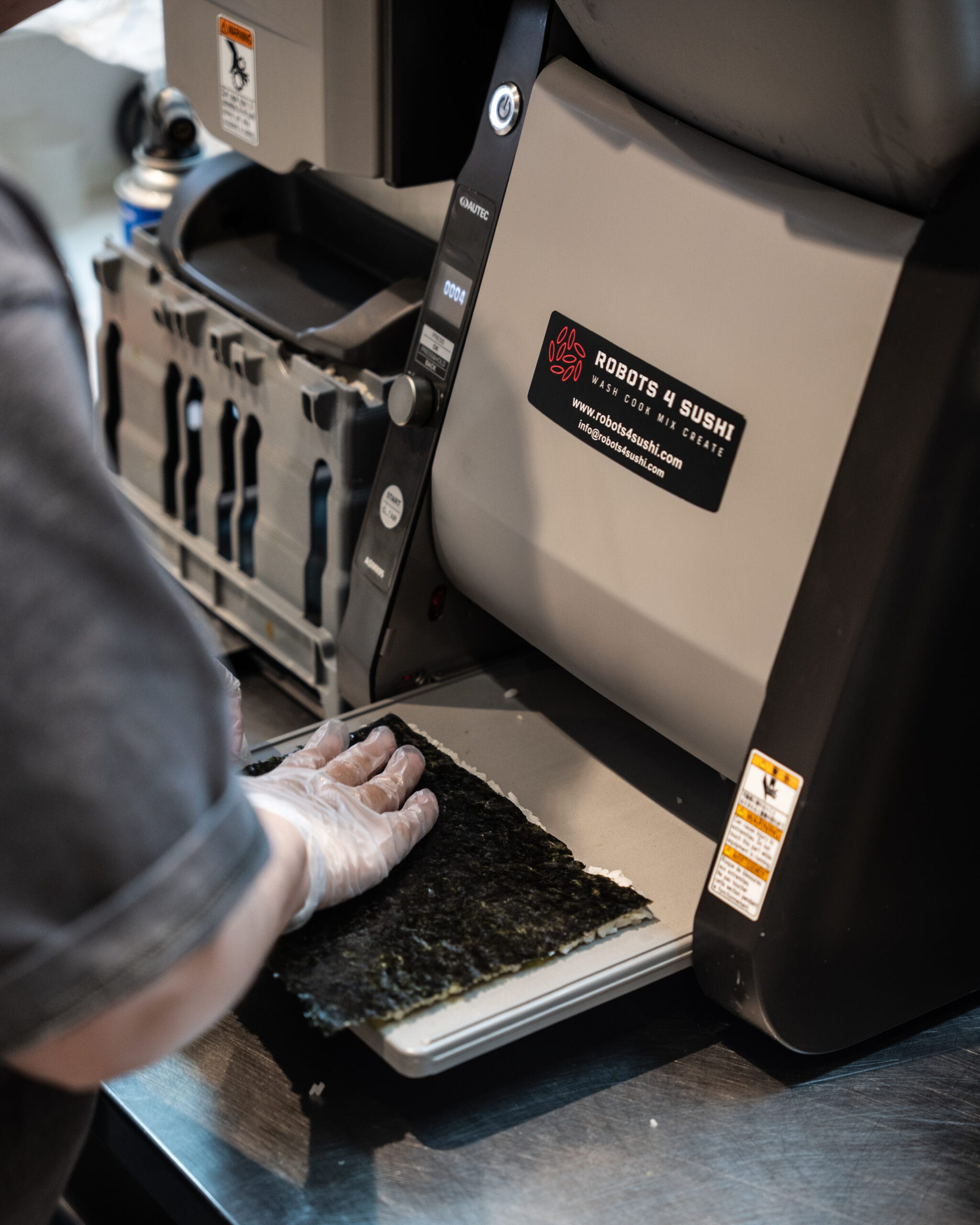
Sushi preparation is one of the most labor-intensive operations in the food industry. Washing rice, mixing rice, forming nigiri, rolling maki, slicing fish — all require precision, time, and skilled labor.
Sushi machines solve several major challenges in today’s restaurant environment:
1. Rising Labor Costs
Restaurants across Europe and beyond face growing wage pressures. A sushi machine can automate several hours of manual work every day, cutting labor costs without reducing quality.
2. Staff Shortages
Finding skilled sushi chefs is difficult, and training new staff takes time. Automation reduces dependency on specialized labor, making production more stable and predictable.
3. Consistency Problems
Handmade sushi can vary between shifts or staff members. Sushi machines create:
- Uniform nigiri
- Even maki rolls
- Perfectly mixed rice
- Clean, consistent fish slices
Consistency improves customer satisfaction and brand reliability.
4. Higher Production Demand
With the rise of takeaways, supermarkets, delivery apps, and grab-and-go sushi, restaurants need higher output without increasing staffing. Automation makes scaling easy.
When a Sushi Machine Is Worth Considering
A sushi machine is usually a smart investment if your business experiences:
Frequent rush periods where production can’t keep up.
Difficulty finding or retaining trained sushi chefs.
High training needs for new staff.
Inconsistent portion sizes or presentation issues.
Plans to open new locations or increase output.
Pressure to reduce costs without compromising quality.
Large amounts of repetitive manual work.
If several of these apply, automation often creates immediate and measurable improvements.
A Realistic Look at Time Savings
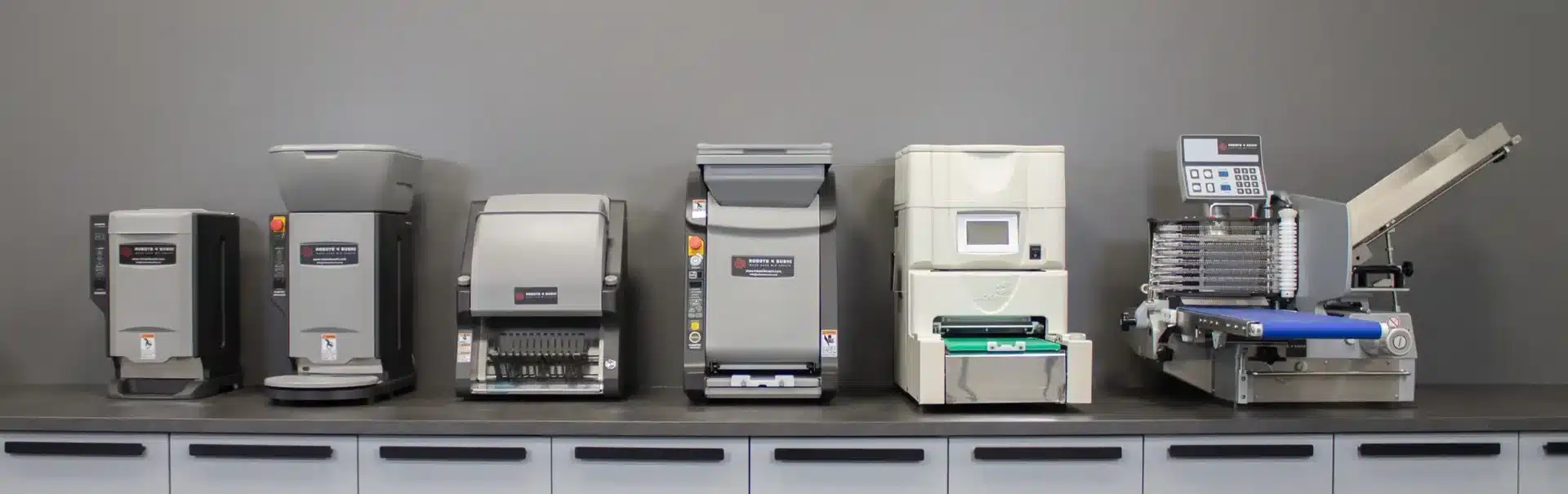
Different sushi machines automate different parts of the process. Depending on your workflow, a single machine might save anywhere from:
30–45 minutes per day (e.g., rice washing or cutting rolls)
1–3 hours per day (e.g., mixing rice, forming nigiri, rolling maki)
Significant cumulative hours if several machines work together
These gains don’t just reduce labor costs — they also make your kitchen more predictable and stable.
For detailed time and cost calculations, see our Sushi Robots ROI Calculator — to see full ROI calculations based on different machine types and workflows.
When a Sushi Machine Is Worth Considering
If your restaurant experiences any of the following, automation is likely a smart investment:
You struggle with staffing or training
If your kitchen is dependent on a few skilled chefs, automation gives you stability.
Your production can’t keep up during peak hours
Machines handle thousands of pieces per hour with no slowdown.
Your output varies between staff
Consistency improves instantly when machines take over repetitive tasks.
Labor costs are cutting into profit
Every hour saved improves your margins.
You want to expand without hiring more staff
Automation lets you scale at low cost.
You want to reduce waste
Machines use exact portions for rice, fillings, and fish — saving 3–10%.
If several points apply to your business, investing in a sushi machine will likely deliver strong ROI.
How to Evaluate the ROI of a Sushi Machine
Before investing, ask yourself:
1. How many hours could automation save per day?
Multiply hours saved × labor cost × working days to see your yearly savings.
2. How much inconsistent quality is costing you?
Remakes, uneven portions, and waste all reduce profit.
3. What is your daily sushi volume?
Higher volume = faster ROI.
4. Do you plan to scale or open new locations?
Automation creates repeatable processes.
5. How much food waste do you generate?
Portion control from machines saves thousands per year.
6. How important is speed during rush periods?
Automation eliminates bottlenecks.
Even small restaurants often find ROI surprisingly strong once they calculate it with real numbers.
Practical Benefits You’ll Notice Quickly
Beyond savings, restaurants often experience improvements such as:
Smoother Kitchen Flow
Automation removes pressure from the most repetitive parts of the process, reducing stress and bottlenecks.
Better Team Balance
Your chefs can focus on cutting fish, assembling toppings, plating, and customer experience rather than repetitive shaping or rolling.
Easier Staff Training
Machines are quick to learn and operate, so new team members can get up to speed fast.
A More Predictable Operation
Consistent portions and presentation mean fewer mistakes, less waste, and reliable quality.
Thinking About Investing in a Sushi Machine?
If you want help calculating your exact ROI or understanding what automation could save your business, we offer:
- Free consultations
- ROI calculations based on your menu and labor costs
- Live demos
- Advice for small and large restaurants
Contact us to find out how much your restaurant could save by investing in a sushi machine.