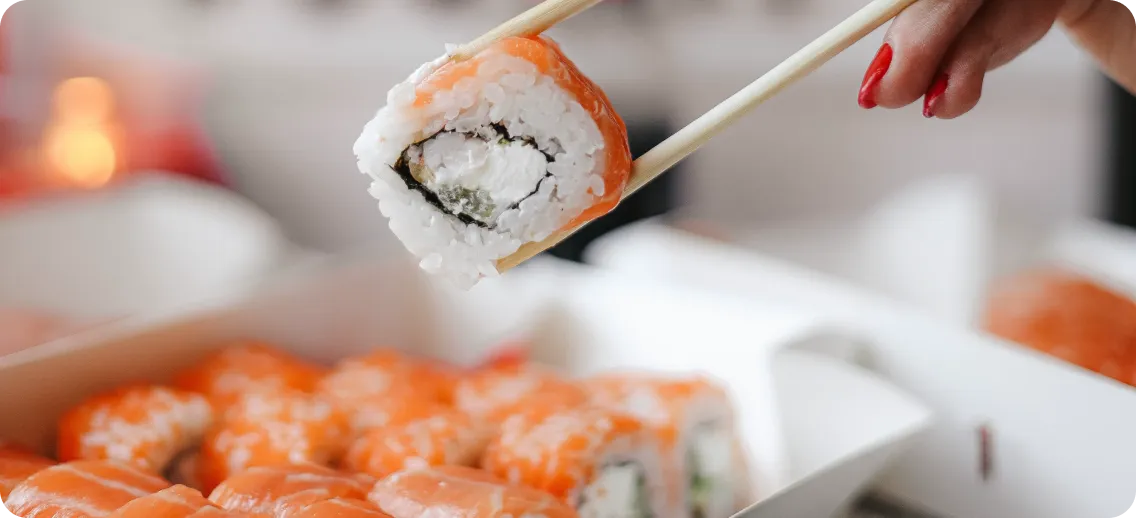
As sushi grows in popularity across restaurants, supermarkets, and grab-and-go counters, kitchens are under pressure to produce more rolls at a consistent quality — and with fewer staff. This is why more businesses are adopting maki robots, also known as maki machines, to automate the spreading and rolling process.
A maki robot can dramatically improve production speed, reduce labor costs, and deliver perfect rolls every time — even during the busiest hours.
What Is a Maki Robot?
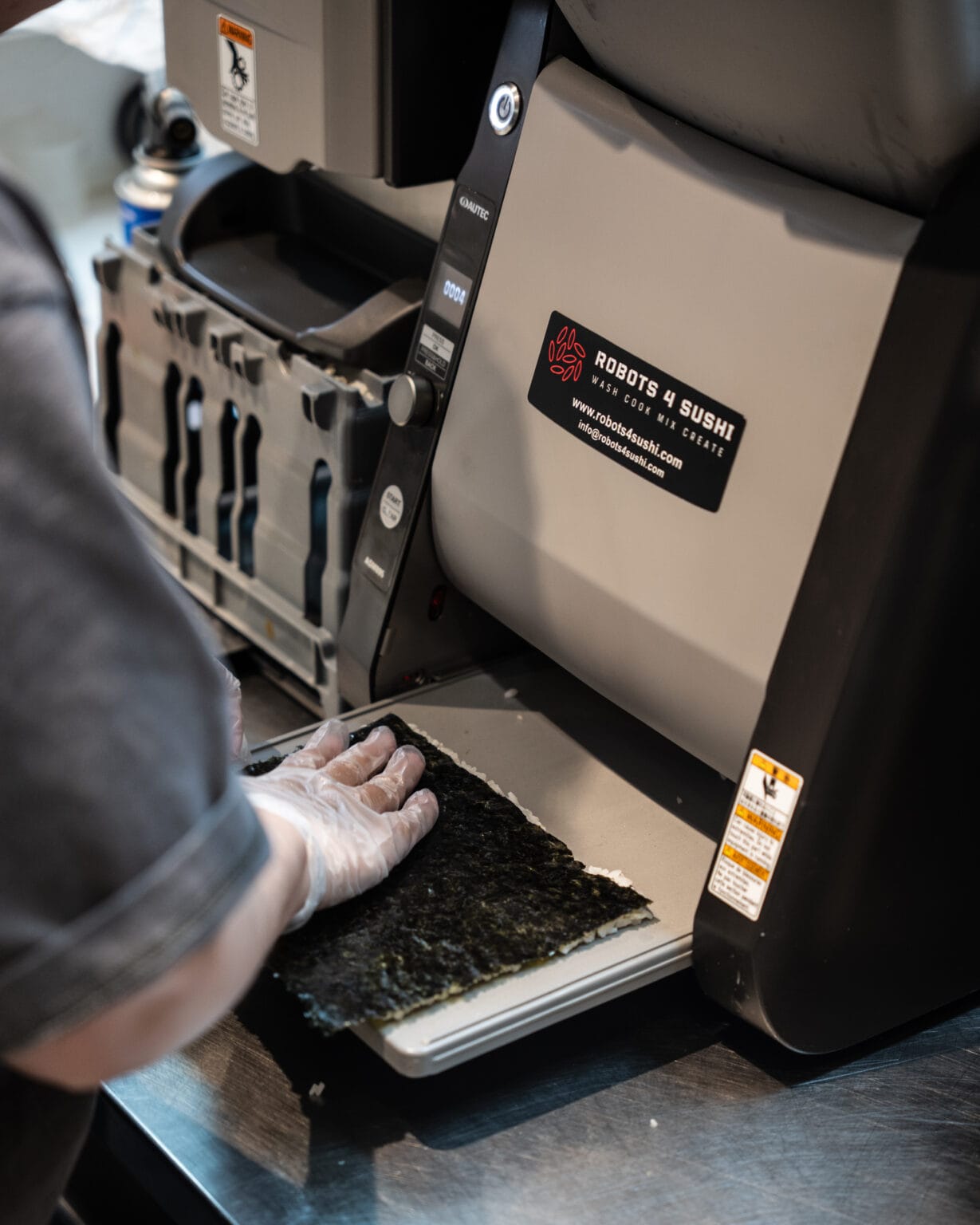
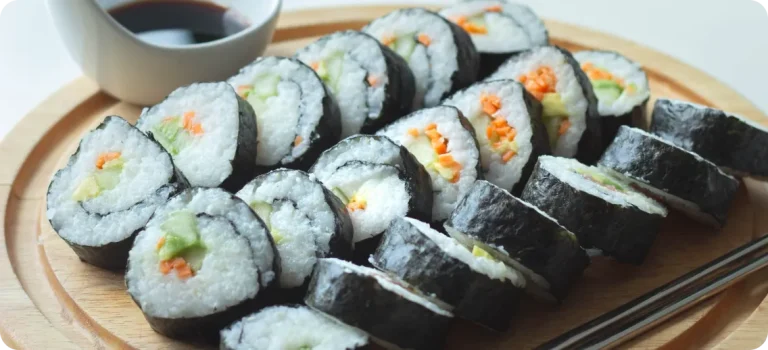
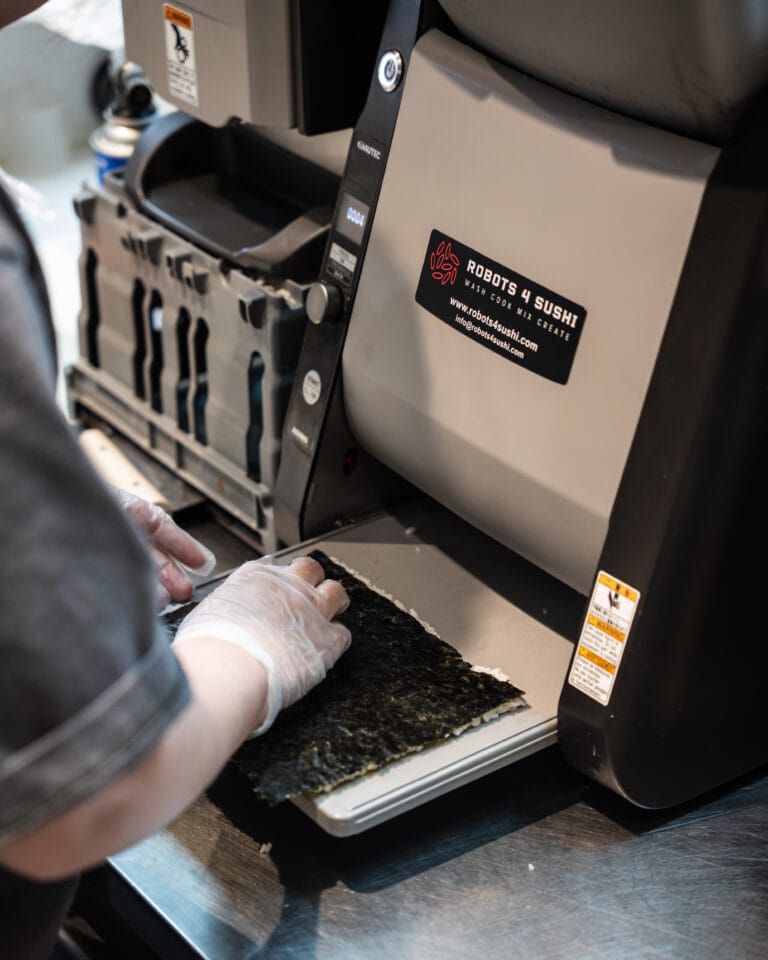
A maki robot automates the most repetitive and time-consuming stages of maki and uramaki production. It spreads rice evenly onto nori sheets, shapes the roll, and forms tight, uniform sushi rolls ready for cutting.
Instead of chefs manually spreading rice — which slows down production and causes inconsistency — the maki machine performs the task in seconds with:
- perfect rice distribution
- consistent thickness
- uniform roll structure
- reliable pressure every time
Whether you call it a maki robot or a maki machine, the goal is the same: make your sushi line faster, more consistent, and more efficient.
Why Restaurants Are Switching to Maki Machines
1. Significantly Faster Production
Manual rice spreading is slow. A maki robot spreads rice in seconds and produces rolls at a rate difficult to match by hand, especially during peak hours.
2. Consistent Quality Across Every Shift
With hand-rolled sushi, quality depends on who’s working.
A maki machine ensures:
- identical rice thickness
- perfect spread
- consistent roll tightness
- stable quality from morning to close
This is essential for chains, supermarkets, and brands that rely on consistent presentation.
3. Reduced Labor Costs
Sushi rolling is skilled and labor-intensive. A maki robot reduces staffing pressure and allows kitchens to maintain output with fewer experienced chefs.
4. Less Waste
Even rice distribution means fewer oversized rolls, fewer loose rolls, and more efficient ingredient usage.
5. Easier Training & Smoother Workflow
New staff can learn a maki machine in minutes. This helps maintain production levels even when teams change or scale up.
How Much Can a Maki Robot Save You?
Using your previously calculated numbers, maki production automation saves:
2.5 hours/day → €15,000/year in labor savings
Formula:
2.5 hours × €20/hour × 300 days = €15,000/year saved
This is just labor savings — not including reduced waste, faster training, and increased production capacity.
For detailed ROI breakdowns across all machine types, see our Sushi Robots ROI Calculator.
Our Available Maki Robot Models
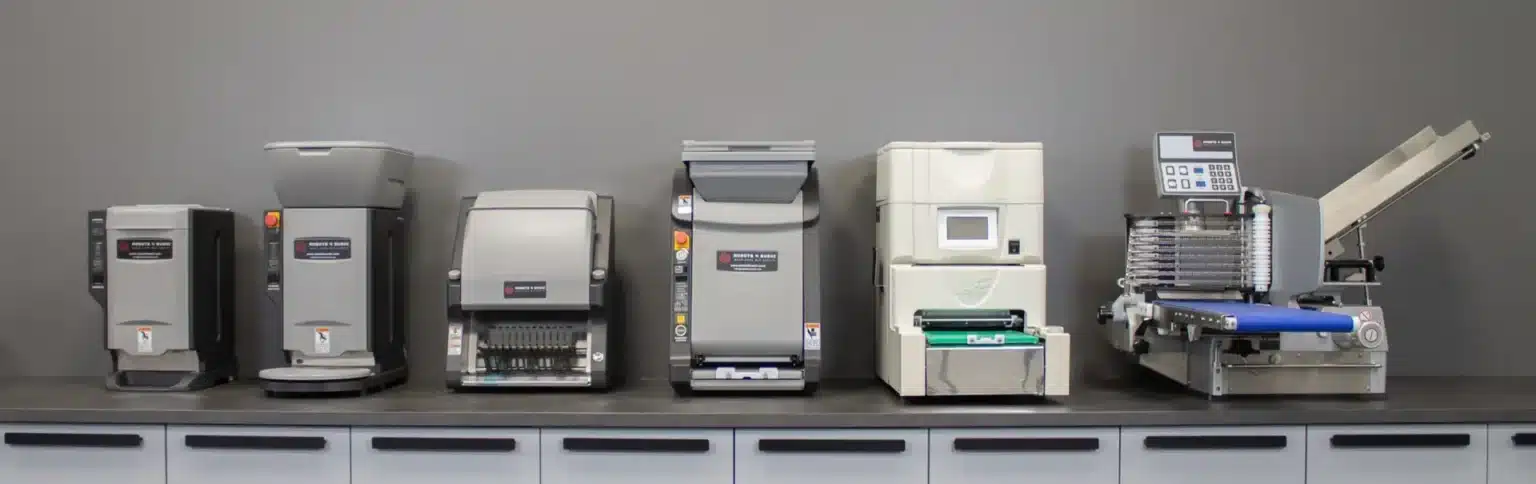
Robots 4 Sushi offers both AUTEC and LUCKY maki robots, designed for different production volumes.
AUTEC Maki Robots
AUTEC models are known for exceptional consistency, speed, user-friendly operation, and long-term reliability.
LUCKY Maki Robots
LUCKY models offer impressive production capacity, strong build quality, and excellent value, making them ideal for high-volume kitchens.
These machines are designed for restaurants, supermarket counters, central kitchens, and any operation needing fast, reliable maki production.
Complete Your Setup With a Maki Cutter
While a maki robot automates rice spreading and rolling, a maki cutter automates the slicing. Even clean cuts are essential for presentation, but cutting by hand can be slow and inconsistent.
By pairing a maki robot + maki cutter, kitchens can fully automate:
- rolling
- shaping
- slicing
This combination is ideal for high-volume production, supermarkets, and restaurants that want maximum speed and consistency.
A separate article will explore maki cutters in detail, but it’s important to know that most professional sushi production lines use both machines together to maximize efficiency.
Is a Maki Machine Right for Your Business?
A maki robot is ideal for:
- Restaurants producing 30+ rolls/day
- Supermarket sushi counters
- Delivery and takeaway sushi kitchens
- Catering and central kitchens
- High-volume production environments
If consistency, speed, or labor costs are challenges in your kitchen, a maki machine is likely to deliver a fast and measurable return.
Ready to Improve Your Sushi Production?
If you want to produce perfect, consistent maki rolls faster — with less labor and fewer errors — a maki robot can transform your workflow.
We offer:
- Free demos
- ROI calculations
- Advice on choosing the right model
- Leasing and purchase options
- Setup and workflow optimization
Contact us to find the best maki machine for your production needs.