As sushi becomes more popular across restaurants, supermarkets, and takeaway kitchens, many businesses are turning to automation to meet demand. One of the most efficient upgrades is the nigiri robot — also referred to as a nigiri machine or nigiri maker — designed to produce perfectly shaped nigiri at high speed, with consistent quality.
If your kitchen makes nigiri every day, this type of automation can save time, reduce labor dependency, and improve consistency across every service.
What Is a Nigiri Robot and What Does It Do?
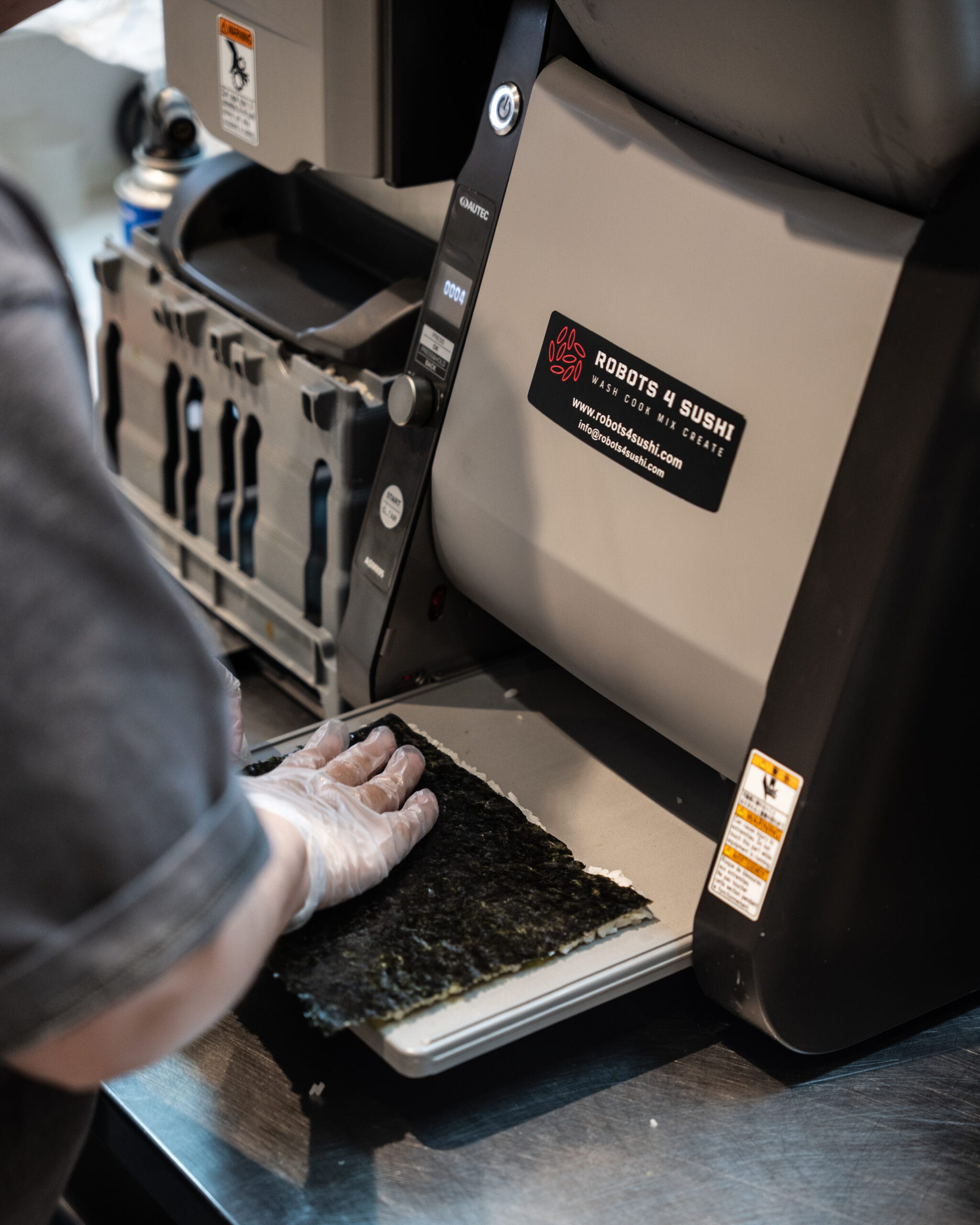
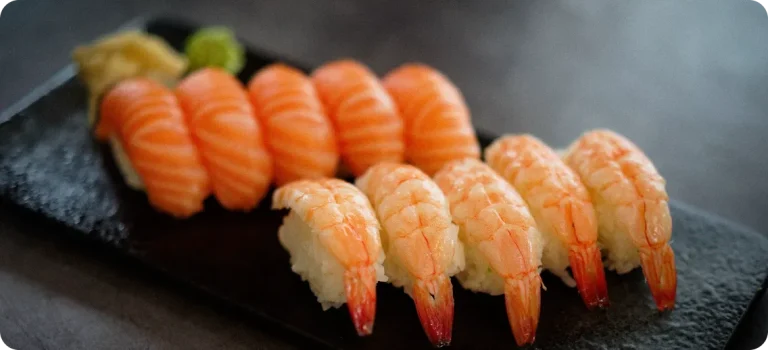
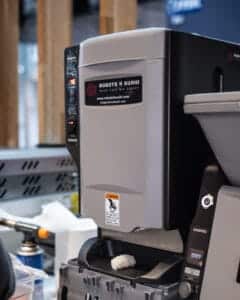
A nigiri robot is a machine that forms sushi rice into uniform nigiri pieces automatically. Instead of relying on hand-shaping, the machine portions, compresses, and forms the rice into perfect shapes — identical in size, weight, and texture.
The result:
- consistent nigiri
- faster production
- no reliance on highly trained staff
Whether you call it a nigiri robot, nigiri machine, or nigiri maker, the goal is the same: automate the most repetitive part of sushi production.
Why Restaurants Are Adopting Nigiri Machines
1. Perfectly Consistent Nigiri
Uniformity is a challenge in busy kitchens. A nigiri robot produces identical pieces every time, ensuring a professional look and predictable portion sizes.
2. Higher Output With Less Labor
A skilled chef may produce 400–600 nigiri per hour. A modern nigiri machine can produce thousands per hour, depending on the model.
This dramatically increases production capacity without adding staff.
3. Lower Labor Costs
Shaping nigiri by hand is time-consuming and requires expertise.
Automating this step reduces:
- total labor hours
- training time
- dependency on skilled sushi chefs
This is especially valuable in markets with labor shortages.
4. Reduced Food Waste
Precision portioning prevents over-shaping or oversized rice balls, reducing rice waste by 3–10%.
5. A More Efficient Kitchen Workflow
When a nigiri maker handles repetitive work, chefs can focus on:
- slicing fish
- assembling toppings
- quality control
- customer experience
This streamlines the entire sushi preparation process.
How a Nigiri Machine Works
Although models differ, most follow the same workflow:
- Rice is loaded into the hopper.
- The machine portions the rice automatically.
- Internal molds form the exact shape needed.
- Finished nigiri pieces exit onto a tray or conveyor.
The process is fast, clean, and built for continuous daily use.
For guidance on choosing the right combination of machines, see our guide about how to choose the right sushi robot.
Is a Nigiri Maker Right for Your Business?
A nigiri robot is ideal for:
- Sushi restaurants
- Supermarket sushi counters
- Delivery and takeaway kitchens
- Catering businesses
- Central production kitchens
If you produce over 200–300 nigiri per day, automation almost always saves money.
How Much Can You Save With a Nigiri Robot?
A nigiri machine typically saves 2–3 hours of labor per day.
Based on €20/hour labor cost:
2.5 hours/day × €20 × 300 working days = €15,000/year saved
This doesn’t include:
- reduced waste
- faster training
- improved consistency
- increased production capacity
Most kitchens achieve full ROI in 6–12 months.
For full ROI tables across all robot types, see our sushi robots ROI calculator.
The Future of Nigiri Production
Today’s nigiri machines are cleaner, faster, and more reliable than ever. Many include:
- temperature-controlled rice hoppers
- sensor-based portioning systems
- improved hygiene design
- compatibility with maki machines and rice dispensers
Automation is becoming standard in modern sushi production — not to replace chefs, but to support them.
Our Available Nigiri Robot Models
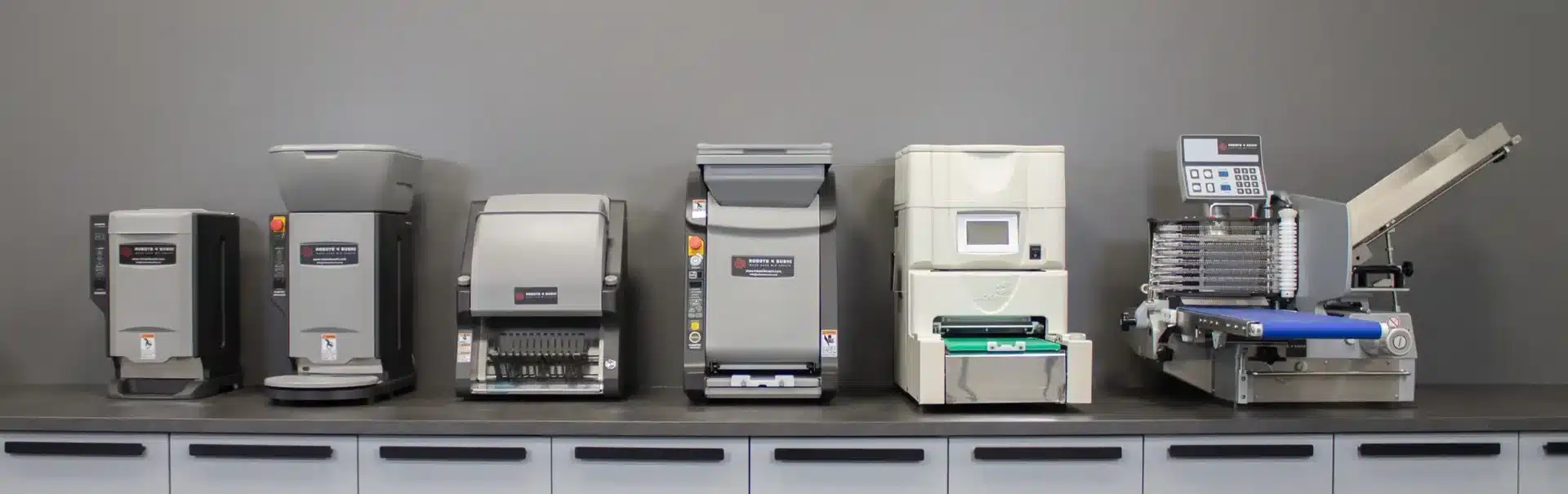
We offer a range of professional nigiri machines suited for different restaurant sizes and production demands:
AUTEC Nigiri Machines
- Capacity up to 2,400 pieces/hour.
- Compact and reliable, perfect for small and medium restaurants.
- Capacity up to 4,200 pieces/hour.
- High-speed production for busy kitchens and supermarket counters.
- Capacity up to 1,800 rice balls/hour.
- Great for restaurants needing stable output at a lower volume.
- Capacity up to 3,500 pieces/hour.
- Balanced machine offering both speed and compact size.
- Capacity up to 4,400 pieces/hour
- High-capacity professional model for large-scale operations.
- Capacity up to 1,500 rice balls/hour
- Compact tabletop model ideal for kitchens with limited space.
LUCKY Nigiri Machines
- Capacity up to 3,000–3,500 pieces/hour.
- Strong performance with excellent consistency, great for both restaurants and production kitchens.
These models are known for their reliability, easy cleaning, speed, and uniform nigiri shaping. Whether you operate a sushi bar, supermarket counter, or central kitchen, there is a machine that matches your volume and workflow.
Thinking About Adding a Nigiri Robot to Your Kitchen?
If you want to:
- improve consistency
- boost production
- reduce labor costs
- scale without hiring
- streamline workflow
…then a nigiri machine or nigiri maker may be one of the most valuable investments you can make.
Contact us to explore the best nigiri robots for your business and see how automation can elevate your sushi production.